

 See My Latest Article on HelloNation
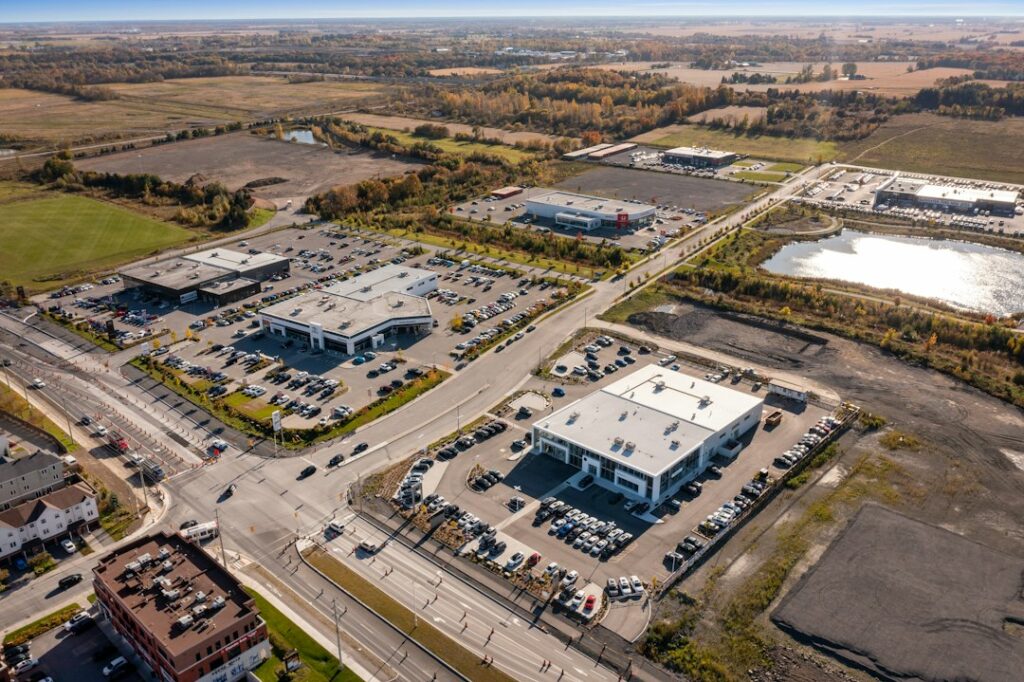
What makes a commercial property location valuable?
A commercial property’s value is shaped by how well its location supports access, visibility, customer demand, employee convenience, and long-term business activity. The building itself matters, but location often determines how easily the property can generate income and how attractive it remains to future tenants or buyers.
In Midland, location analysis should account for the city’s spread-out development pattern, driving-oriented travel habits, regional employment base, weather conditions, and continued changes in population and infrastructure. A property that appears inexpensive may have hidden limitations if customers, employees, deliveries, or utilities are difficult to accommodate.
Location affects value in several connected ways:
- It influences how many potential customers can reach the property.
- It affects operating costs, including transportation and maintenance.
- It determines what uses are legally allowed.
- It shapes the property’s visibility and market identity.
- It affects how easily the property can adapt to future demand.
A strong location does not have to be the busiest or most expensive area. It needs to fit the intended use and provide dependable access to the people, vehicles, services, and infrastructure that use requires.
How does traffic and accessibility affect commercial property value?
Traffic matters because most commercial properties depend on movement. Retail uses may benefit from high vehicle counts and convenient entrances, while offices may place greater emphasis on employee access, parking, and a predictable commute. Industrial and service properties often need efficient routes for work vehicles, equipment, and deliveries.
Accessibility includes more than the number of cars passing by. Important questions include:
- Can drivers enter and exit safely?
- Are turning movements practical for larger vehicles?
- Is the property easy to find from major routes?
- Are entrances affected by congestion or nearby intersections?
- Is parking visible and convenient?
- Can customers reach the property during peak travel periods?
A building on a heavily traveled road may not perform well if access is restricted or confusing. Conversely, a property on a less prominent street can remain valuable if it is close to established demand and has efficient connections to the broader roadway network.
In a car-dependent community, driveway design, curb cuts, parking layout, and travel time can have a direct effect on leasing potential. A difference of only a few minutes may influence whether customers choose one location over another.
Why do visibility and frontage matter?
Visibility helps a business communicate its presence without paying for additional advertising. Properties with clear sightlines, usable frontage, readable building placement, and attractive access are generally easier for customers to notice and remember.
Visibility is especially relevant for uses that depend on impulse visits or frequent repeat trips. However, frontage should not be evaluated in isolation. A highly visible property may still have limited value if signage is restricted, the building sits below the road, or vehicles cannot easily stop.
The most useful frontage usually combines:
- Clear views from approaching traffic
- Adequate space for signs permitted by local rules
- Safe and convenient entrances
- Sufficient distance from nearby obstructions
- A site layout that makes the building easy to identify
Visibility can also affect tenant turnover. If customers struggle to locate a business, the tenant may experience weaker sales even when the building is attractive.
How do surrounding land uses influence value?
Nearby properties help define what a commercial site can realistically support. A location surrounded by housing may be well suited to neighborhood services, small offices, childcare, medical uses, or convenience-oriented businesses. A site near employment centers may support different demand, including professional services, food service, lodging, or workforce-related uses.
Compatible nearby uses can create mutual benefits. Businesses may share customer traffic, employees may use nearby services, and established development can make an area feel more convenient and dependable.
Incompatible uses can reduce value through noise, heavy truck traffic, odors, lighting, safety concerns, or conflicting hours of operation. A property near vacant land may have more uncertainty than one surrounded by stable, occupied development, even if the vacant land provides room for future growth.
The surrounding area should be evaluated both as it exists today and as it may change. Planned road improvements, new housing, redevelopment districts, utility expansion, and changes in land-use policy can affect future demand.
How do zoning and development rules affect commercial value?
Zoning determines whether a property can legally accommodate a proposed use. It may also regulate building height, parking, setbacks, signage, landscaping, access points, storage, outdoor activities, and operating conditions.
A property with flexible permitted uses may appeal to more buyers and tenants. A site limited to a narrow range of activities may have a smaller market, even if the building is well maintained.
Before assigning value to a commercial property, it is useful to verify:
- The current zoning classification
- Permitted and conditional uses
- Parking requirements
- Sign regulations
- Building and site setbacks
- Restrictions on outdoor storage or operations
- Future land-use plans
- Any easements, deed restrictions, or access agreements
A common misconception is that a property can be used for any lawful business simply because it is located in a commercial area. Local rules may distinguish between different types of commercial activity, and approval requirements can affect both timing and cost.
Why do utilities, drainage, and site conditions matter?
Infrastructure can either support value or create ongoing limitations. Reliable water, wastewater, electricity, telecommunications, and stormwater systems are essential to most commercial operations.

Midland’s dry climate does not eliminate drainage concerns. Intense rainfall can create temporary access problems, standing water, erosion, or damage to parking and site improvements if drainage is poorly designed. A property that appears usable during dry weather may reveal significant weaknesses during a major storm.
Other physical factors include:
- Soil and foundation conditions
- Pavement quality
- Flood exposure and drainage patterns
- Utility capacity
- Fire protection access
- Loading and service areas
- Space for future expansion
- Wind, dust, and heat exposure
These conditions affect both the property’s market value and its operating expenses. A lower purchase price may not represent a bargain if substantial site work is required.
Does proximity to housing and employment affect commercial property value?
Yes. Commercial demand is closely tied to where people live, work, travel, and spend time. A property near established households may benefit from convenient daily-use demand. A property near major employment activity may attract weekday users, business services, and workforce-oriented tenants.
Population growth can create opportunities, but growth does not benefit every location equally. New development may shift customer patterns, increase congestion, or leave older areas with weaker demand. The key question is whether the property is positioned near the type of activity that supports its intended use.
For example, a professional office may depend on employee access and proximity to related services. A neighborhood-oriented use may depend more on nearby households, parking, and easy visibility. An industrial property may prioritize truck circulation and separation from sensitive neighboring uses.
How do local economic conditions affect location value?
Commercial property values reflect the strength and stability of the local economy. In Midland, energy-related activity has historically influenced employment, household income, business formation, and demand for commercial space. Other sectors also matter because a broader employment base can help reduce reliance on a single industry.
Economic cycles can affect different property types in different ways. Office demand may change as work patterns shift. Industrial demand may respond to production and logistics activity. Retail and service properties may depend on household income, population movement, and consumer confidence.
A location with several sources of demand may be more resilient than one dependent on a single tenant type or industry. Buyers and owners often examine vacancy trends, lease terms, tenant concentration, construction activity, and the condition of nearby properties before making decisions.
Is a cheaper location always a better investment?
No. A lower-priced site may have weaker access, limited utilities, poor visibility, restrictive zoning, or uncertain demand. Those limitations can reduce rental income and make resale more difficult.
The better comparison is between total value and total cost. A property with a higher price may produce stronger long-term performance if it has dependable access, adaptable zoning, quality infrastructure, and durable demand. A less expensive property may still make sense when its lower cost reflects a suitable use rather than a hidden problem.
Location should therefore be evaluated against the property’s intended purpose, expected users, operating requirements, and likely future alternatives in the market.
What should residents examine before judging a commercial property’s location?
A practical review should consider both immediate conditions and future changes. Useful questions include:
- Who is expected to use the property?
- How will customers, employees, and deliveries arrive?
- Is access convenient during busy periods?
- What nearby development is planned?
- Are utilities and drainage adequate?
- Does zoning support the intended activity?
- Could nearby uses create noise, traffic, or environmental conflicts?
- Would the property remain useful if the market changed?
Commercial location value is not determined by a single feature such as traffic count or proximity to a major road. It results from the combined relationship between access, demand, land-use rules, infrastructure, surrounding development, and long-term adaptability.